 Image 1 of 1
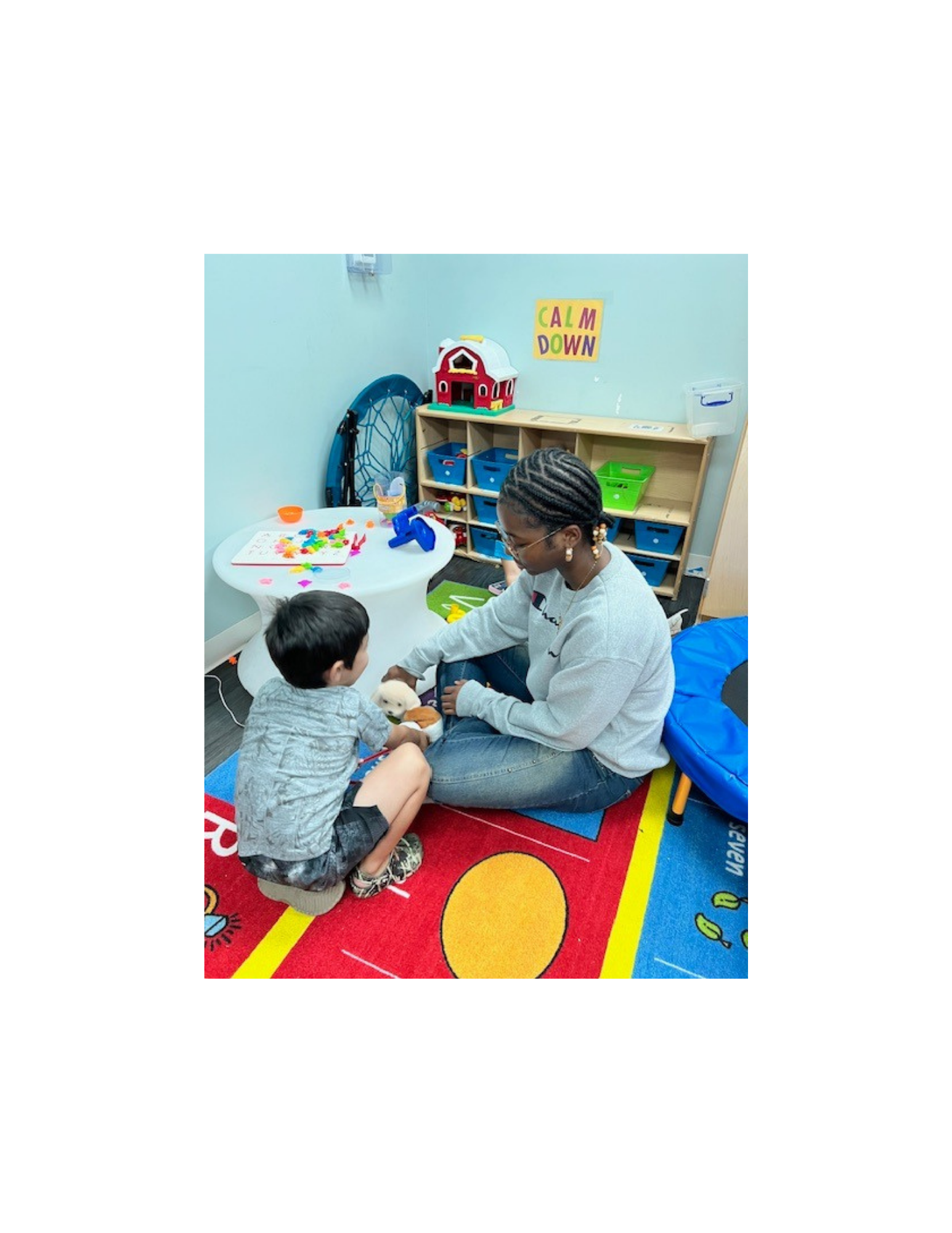
The Surviving Social Situations (SSS) program is designed to develop social and executive function skills in students with Autism Spectrum Disorder (ASD) and related disabilities. Using a thematic, immersive approach, students engage in structured activities that promote social interaction, language development,problem-solving, and independence while also supporting the acquisition of academic skills that are often deficient in a child with a language impairment including English language arts, math, science and social studies.
Program Structure & Instructional Approach
Students are placed in an “Island” (classroom), each led by an “Island Chief” ( teacher) who facilitates instruction through:
🏕️ Tribal Council – Guided discussions on social expectations and problem-solving.
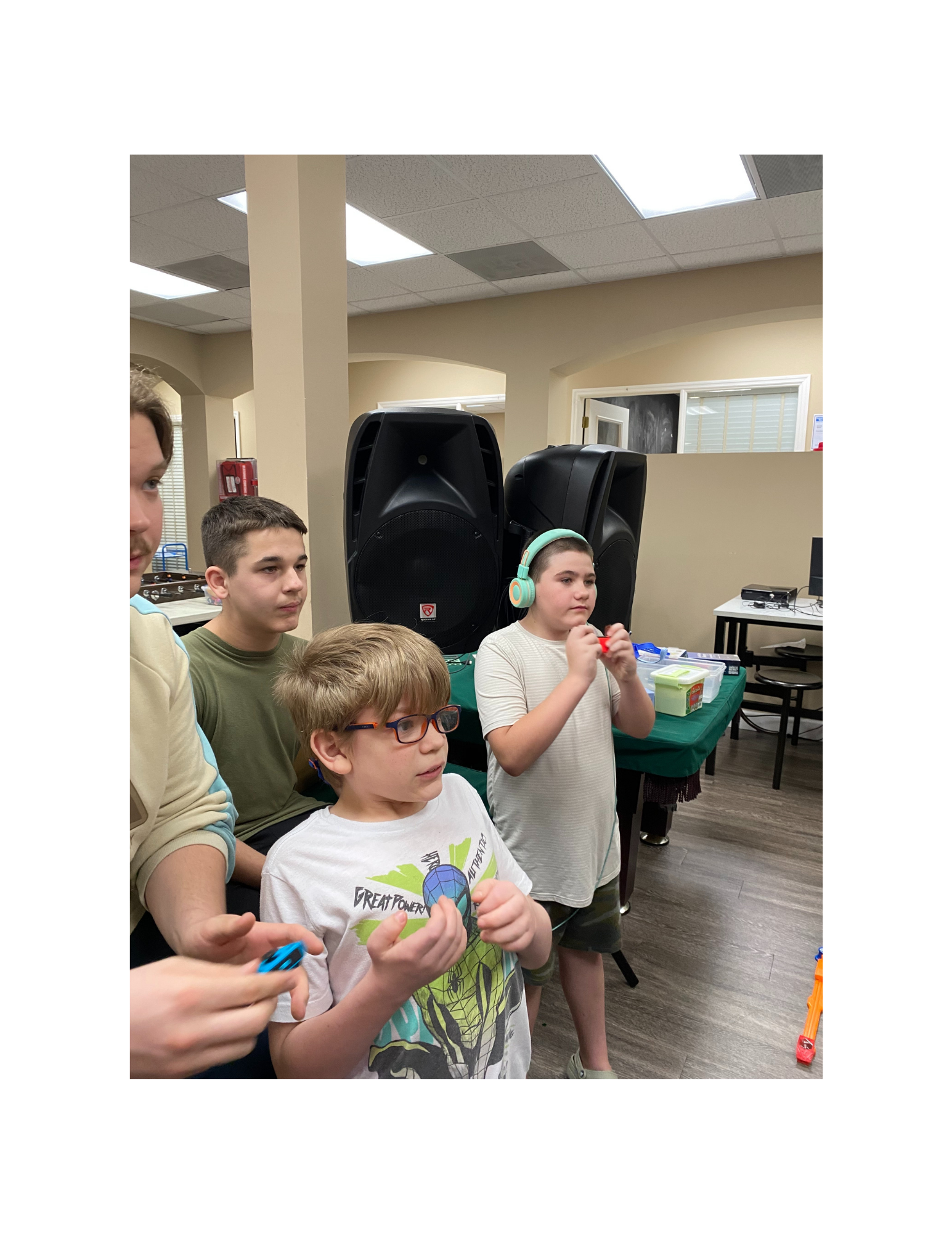
🔥 Tiki Time – Skill-building activities tailored to individual needs.
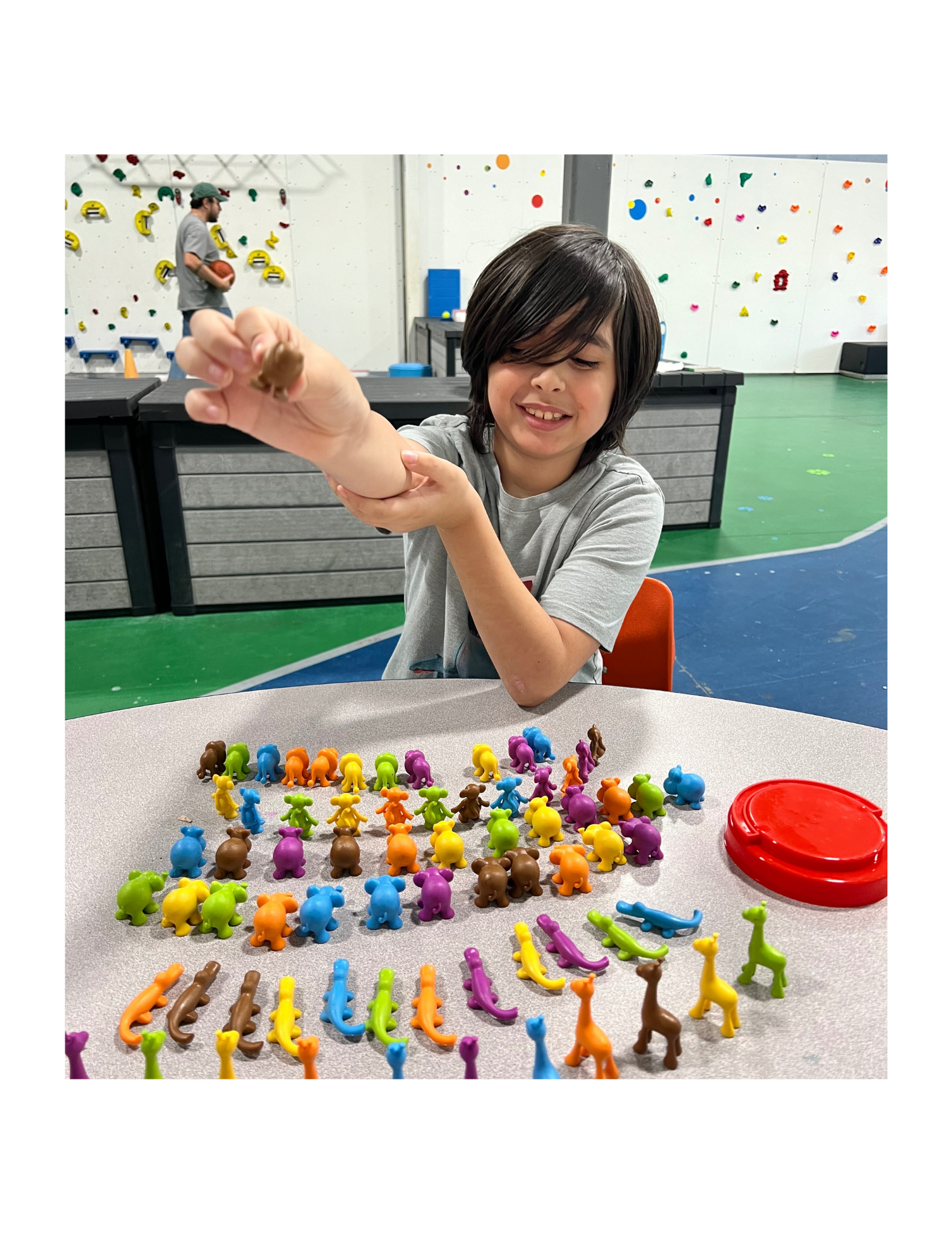
🏆 Challenges – Hands-on opportunities to practice learned skills.
This structured framework ensures consistency while allowing for individualized instruction based on student needs.
Integration of Community-Based Instruction (CBI)
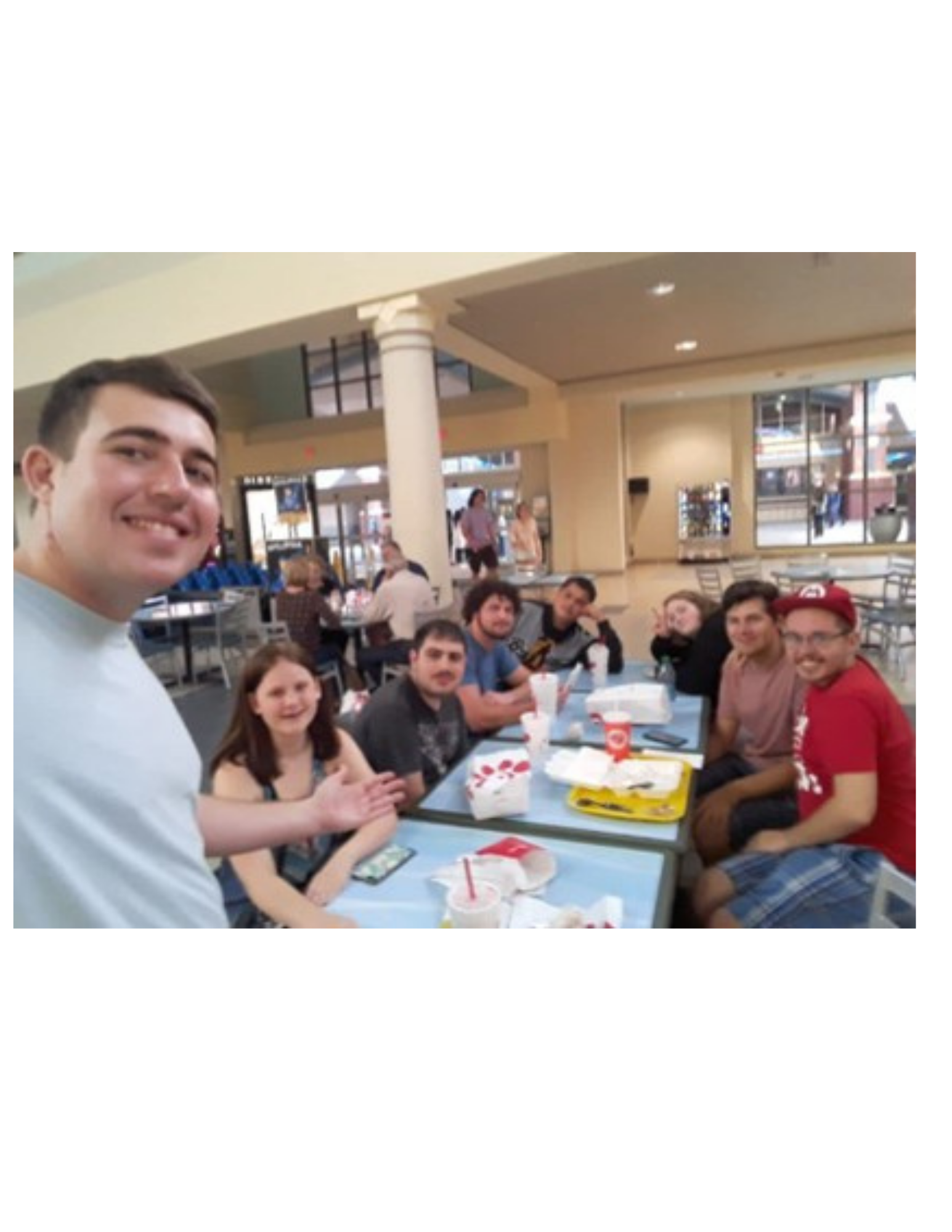
SSS incorporates Community-Based Instruction (CBI), blending academic and life skills instruction to provide real-world applications of learned concepts. Skills introduced in the classroom are practiced and reinforced across settings, helping students generalize their learning to daily life.
Reinforcement & Motivation: The Token Economy System
The program uses a token economy system, where students earn beads for demonstrating expected behaviors. These beads can be exchanged for “Bead Break” time, allowing students to participate in preferred activities that encourage social engagement and self-regulation. The program concludes with a Tribal Celebration, an event organized by the students to showcase their achievements.
Peer Mentor Involvement & Lasting Impact
To enhance social and language skill development, SSS includes Peer Mentors—students who receive specialized training to support their peers with autism. At the end of the program:
✔ Peer Mentors receive certificates recognizing their contributions.
✔ Receiving schools are informed of trained Peer Mentors, ensuring that support and awareness continue beyond the program.
Through its engaging, structured, and community-focused approach, the Surviving Social Situations (SSS) program equips students with the essential skills needed to navigate social interactions successfully in school, at home, and in the community.
The Surviving Social Situations (SSS) program is designed to develop social and executive function skills in students with Autism Spectrum Disorder (ASD) and related disabilities. Using a thematic, immersive approach, students engage in structured activities that promote social interaction, language development,problem-solving, and independence while also supporting the acquisition of academic skills that are often deficient in a child with a language impairment including English language arts, math, science and social studies.
Program Structure & Instructional Approach
Students are placed in an “Island” (classroom), each led by an “Island Chief” ( teacher) who facilitates instruction through:
🏕️ Tribal Council – Guided discussions on social expectations and problem-solving.
🔥 Tiki Time – Skill-building activities tailored to individual needs.
🏆 Challenges – Hands-on opportunities to practice learned skills.
This structured framework ensures consistency while allowing for individualized instruction based on student needs.
Integration of Community-Based Instruction (CBI)
SSS incorporates Community-Based Instruction (CBI), blending academic and life skills instruction to provide real-world applications of learned concepts. Skills introduced in the classroom are practiced and reinforced across settings, helping students generalize their learning to daily life.
Reinforcement & Motivation: The Token Economy System
The program uses a token economy system, where students earn beads for demonstrating expected behaviors. These beads can be exchanged for “Bead Break” time, allowing students to participate in preferred activities that encourage social engagement and self-regulation. The program concludes with a Tribal Celebration, an event organized by the students to showcase their achievements.
Peer Mentor Involvement & Lasting Impact
To enhance social and language skill development, SSS includes Peer Mentors—students who receive specialized training to support their peers with autism. At the end of the program:
✔ Peer Mentors receive certificates recognizing their contributions.
✔ Receiving schools are informed of trained Peer Mentors, ensuring that support and awareness continue beyond the program.
Through its engaging, structured, and community-focused approach, the Surviving Social Situations (SSS) program equips students with the essential skills needed to navigate social interactions successfully in school, at home, and in the community.